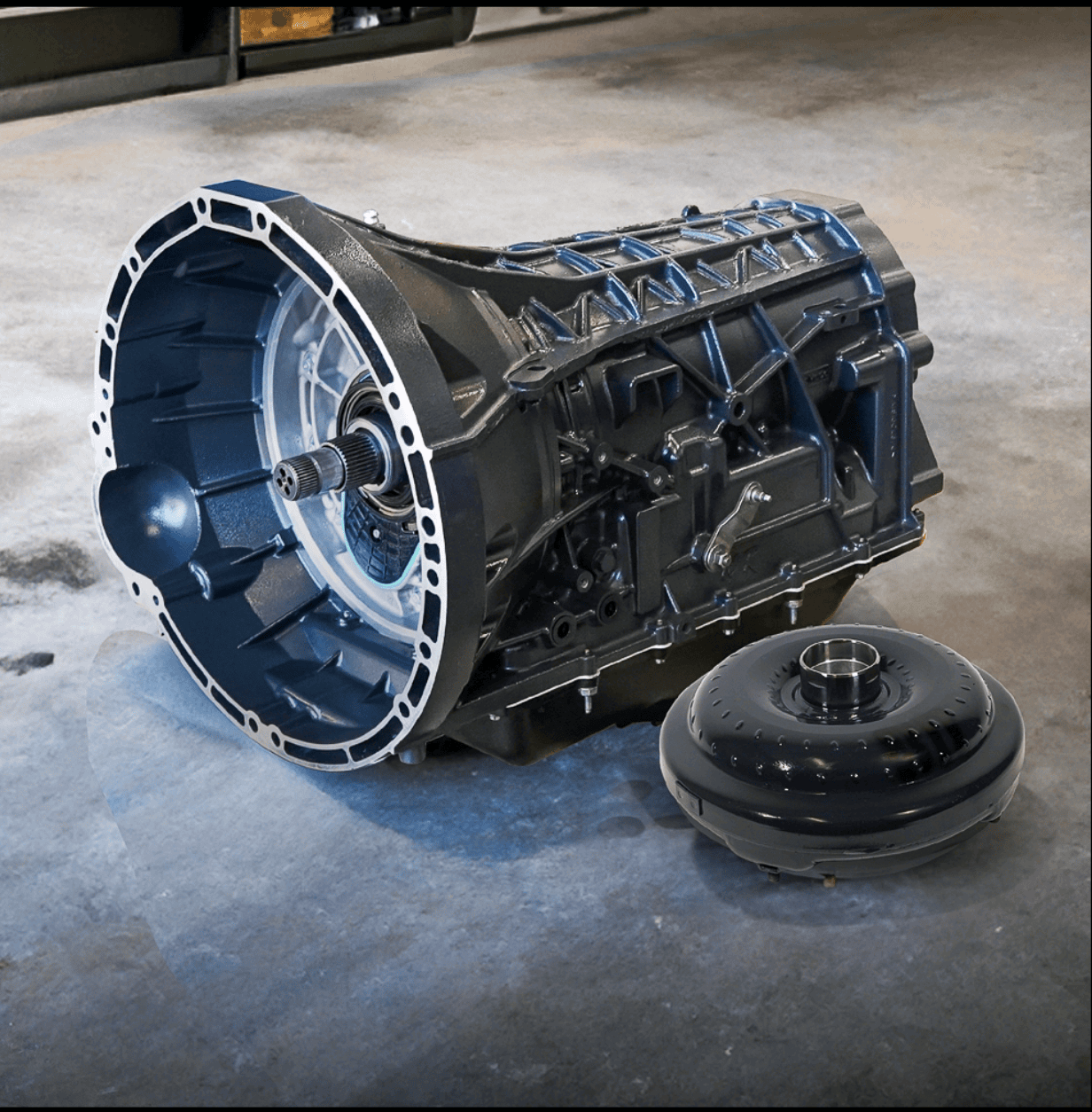
In the automotive aftermarket, reputation is earned where results are measurable. It is earned in repair bays, on job sites, and during the first miles after installation. Monster Transmission and Performance has spent more than two decades operating with that understanding. Founded in 2003 and based in Odessa, Florida, the company manufactures and sells remanufactured and high performance transmissions, torque converters, transfer cases, and drivetrain components to customers across the United States.
What sets Monster Transmission apart in a crowded aftermarket is not simply product availability. It is the way the company combines disciplined manufacturing practices with a strong and consistent digital presence. From early adoption of online transmission sales to ongoing customer education, the company has treated visibility and accountability as part of the same responsibility.
This feature examines how Monster Transmission approaches quality control, customer service, and digital reputation management in an industry where product performance and public trust are closely linked.
A Company Focused on the Drivetrain
Monster Transmission operates in one of the most demanding segments of the automotive aftermarket. A transmission is a critical system that affects safety, drivability, towing capability, and long term vehicle ownership costs. Failure is expensive and disruptive, which is why consistency and process control matter.
The company centers its operation around a structured remanufacturing process. Each transmission begins with complete teardown and cleaning, followed by inspection, precision assembly, and final quality checks before shipment. This step by step approach is designed to reduce variability and identify potential issues before a unit reaches the customer.
In transmission remanufacturing, small details have large consequences. Wear on internal components, contamination, or improper assembly can lead to failure months later. Monster Transmission emphasizes process discipline as a way to support durability and reliability across a wide range of applications.
The company is also part of the Burnout Brands family, which includes BD Diesel Performance and D and J Precision Machine. This relationship expands engineering resources and strengthens product depth across related drivetrain and performance categories.
Using Technology to Improve Results
Monster Transmission applies technology where it has direct operational value. In manufacturing, technology supports consistency and throughput. In customer service, it supports faster responses, clearer communication, and better product matching.
Technology also plays a role in helping customers select the correct transmission for their vehicle and intended use. Fitment errors are common in the aftermarket, particularly with complex drivetrain components. Systems that support accurate application data and knowledgeable support reduce that risk.
For customers, the benefit is practical. Ordering becomes more straightforward, and post purchase support becomes more reliable. Questions during installation or break in are addressed by staff who have access to consistent information and documented build details.
Standing Out in a Competitive Aftermarket
Brand recognition is one of Monster Transmission’s advantages, built over years of online visibility and participation in high profile vehicle builds. Early adoption of online sales helped establish the company as a familiar name among enthusiasts, repair shops, and fleet owners.
Visibility alone, however, does not sustain trust. In a market where reviews and forum discussions can influence purchasing decisions, product consistency and service response are what determine long term reputation. Monster Transmission emphasizes investment in quality control and production capacity as a foundation for that trust.
The company’s presence in digital spaces reflects an understanding that customers evaluate not only the product, but also how the company responds when issues arise.
Quality Control as a Core Operating Principle
Monster Transmission’s build process follows a defined sequence that includes teardown, cleaning, inspection, precision assembly, and final verification before shipment. Each stage is designed to prevent defects from moving downstream.
This approach reflects a broader philosophy common in high responsibility manufacturing environments: do not rely on a single checkpoint. Instead, reduce risk at every stage.
Transmissions are complex assemblies, and installation labor is significant. A single failure affects not only the customer but also installers and service partners. The company pairs its quality control efforts with logistics practices intended to reduce friction, including fast shipping, structured core returns, and warranty coverage designed to provide confidence at the point of purchase.
Reducing Customer Uncertainty Through Service
One notable aspect of Monster Transmission’s service model is the emphasis on personalized support. Customers are guided through product selection, ordering, and installation support by trained representatives.
This structure addresses one of the most common concerns among buyers: choosing the wrong part. Drivetrain components vary widely by vehicle configuration, usage, and performance goals. Clear guidance reduces costly mistakes and vehicle downtime.
When paired with internal training and standardized information systems, this service model helps create a consistent experience regardless of order volume or customer location.
Managing Reputation in a Public Marketplace
Monster Transmission treats reputation as an operational outcome rather than a marketing exercise. Customer feedback is actively collected and reviewed, and positive experiences are shared internally to reinforce standards and accountability.
The company monitors feedback across multiple platforms, including product reviews, Google reviews, Trustpilot, and the Better Business Bureau. These channels provide insight into both strengths and areas that require attention.
Rather than viewing feedback as a threat, Monster Transmission uses it as a diagnostic tool. Patterns in reviews can reveal issues in product design, documentation, logistics, or communication. Addressing those patterns helps prevent repeat problems.
Complaints as a Source of Improvement
Mechanical products are subject to wear, stress, and variation. Monster Transmission acknowledges that failures can occur, even with rigorous quality control. What matters is how often those failures occur and how the company responds.
Customer complaints are taken seriously and reviewed as part of ongoing operational evaluation. The company has expanded its customer care team to improve responsiveness in both sales and technical support.
Feedback is reviewed on a regular basis to identify changes that can improve product reliability and service quality. The focus is on prioritizing adjustments that will have the greatest impact for customers.
For buyers, this approach signals realism rather than perfection claims. It sets expectations clearly while reinforcing a commitment to accountability.
Social Media as Education and Listening
Monster Transmission uses social media as both an educational platform and a listening tool. Active on Facebook, Instagram, and YouTube, the company shares technical maintenance information, drivetrain education, and industry updates in a tone intended to remain accessible.
These platforms also serve as informal feedback channels. Questions, comments, and discussions help highlight areas where customers need clearer guidance or more detailed information.
The company also collaborates with automotive creators and sponsors parts for project vehicles. When done responsibly, this creates public examples of real world use rather than staged promotion. The long term value of this approach depends on product performance and post build support.
Aligning Digital Content With Company Standards
Monster Transmission treats its digital presence as an extension of its operating standards. Brand guidelines define visual identity, tone, terminology, and messaging across the website, social media, email campaigns, and digital advertising.
Technical accuracy is prioritized. Content is reviewed to ensure that information is current, factual, and aligned with actual product capabilities. This reduces the risk of miscommunication that can lead to incorrect purchases or installation errors.
In an industry where inaccurate information can have real consequences, this level of review supports both customer satisfaction and brand credibility.
Using Data to Guide Decisions
The company relies on performance metrics to evaluate both marketing and operational effectiveness. Website sales, conversion rates, customer engagement, and order values are reviewed alongside social media reach and interaction.
These metrics are not treated as abstract numbers. They help identify where customers encounter friction, what information is missing, and which educational efforts are most effective.
Data driven decision making allows Monster Transmission to adjust content, support resources, and internal processes based on observable behavior rather than assumptions.
What This Approach Means for Customers
Monster Transmission presents a business model that connects manufacturing discipline, customer service, and digital accountability. Quality control begins on the shop floor, but its impact extends through shipping, installation, and long term use.
For customers, this integrated approach reduces uncertainty. It provides clearer guidance before purchase, support during installation, and structured response when issues occur.
In a market where drivetrain components represent a significant investment, these factors matter as much as product specifications.
A Closing Perspective on Earning Trust Over Time
Monster Transmission and Performance continues to build its reputation through consistent execution and visible accountability. By focusing on process, people, and transparent communication, the company operates with the expectation that its work will be examined publicly and judged over time. In an industry where reliability is not optional, that focus remains the foundation of long term trust.
By: Chris Bates


